Sunday, June 9, 2013

Pennsylvania doctor, fishing guide rescue baby moose from southwestern Montana river


MISSOULA, Mont. (AP) -- A Pennsylvania doctor on a guided fishing trip in southwestern Montana went home with an amazing tale of hauling in a 25-pound lunker — a baby moose she helped rescue from a rushing river.

Karen Sciascia of Red Hill, Pa., and a guide were fishing the Big Hole River on Saturday when they spotted a cow moose with a calf trying to cross the waterway.

"We were watching this adult female struggling back and forth, and we didn't see a baby until we got close," Sciascia told the Missoulian (http://bit.ly/18RzCfb) for a story published Thursday. "Mom kept pushing — the current was pretty swift. The mother bolted and took off across the river. She was trying to get across the main portion of the channel, and even she struggled."

When the calf stepped off the gravel bar into the water to follow its mother, it was swept downstream.

"It was small, and the river was swift," Sciascia said. "We lost sight of the baby. It was hurtling downstream and was being pushed by the river. It was too small to ever fight the current."

Sciascia and guide Seth McLean with Four Rivers Fishing Co. in Twin Bridges followed downriver, finally spotting the tiny moose's nose just above the water.

"We got up alongside it, and I just grabbed the little bugger. I scooped it up from the river under its front legs," Sciascia said.

"I tried to hold it out, not wanting to get my scent all over it, but it was basically limp," she said. "It was breathing, and with my hand on its chest, I could feel its heart beating real fast."

McLean rowed the raft upstream and snapped a photo before they dropped off the calf at the side of the river.

Link to full article and amazing photo of Karen Sciascia with the baby moose below. Photo provided by the Four Rivers Fishing Co.

Friday, June 7, 2013

Two big fatties


Did I mention that I like to fish? Have I talked about how much effort, pain and research I go through in hopes of catching really big fish? Every year I focus a lot of attention in hopes of landing some epic prespawn fatties. It seems to get tougher ever year.

These fish came from a section of ponds that are not very big and a total shorebang situation. Once again the trick wasn’t targeting the nesting the males but rather search casting the water just a few yards beyond the nesting zone.


Both fish came off of the southwestern edge of the pond. This quarter of the lake congregated the nesting activity as it had everything a bass could want. Shallow nesting shelf and then a sharp incline that led instantly into deeper water. A little bit of wood structure and emerging plant growth mixed in as well. No tape, no weight. Just ham it up a lil and get the fish back to minimize the stress. These fish could be sisters they look so similar. Both fish hit a 4” salamander, green pumpkinseed rigged with an 1/8oz Texas rig.


Sport Preservation note: Put the big fish back! If you take fish like this out of the system ultimately you are hurting the sport in many ways. Each time I show a big fish picture I worry about how many people will be encouraged to take up the sport of angling only to take home everything they catch.

My name is Matt and I’m a fishaholic.

Wednesday, June 5, 2013

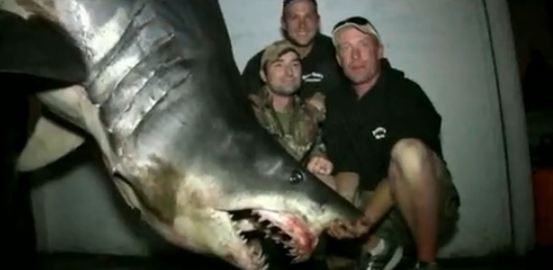
Mako shark is possible record-breaking catch

An 11-foot-long mako shark, weighing in at 1,323.5 pounds, is no tall tale. The shark, caught off the southern California coast, was reeled in by Jason Johnston of Mesquite, Texas, and its size might be a world record.
(Screen shot from CBS video. Link to full article and video below)
The angler made the giant catch—using chopped fish as bait—while on a charter fishing trip off Huntington Beach, Calif., on Monday. It didn’t come easy, reports CBS Los Angeles.

“He took out a quarter-mile of line ... and five times he came out of the water over 20 feet,” Johnston told the station. “It was amazing.”

He added, “It’s unreal. This thing is definitely a killing machine. Any wrong step, I could have gone out of the boat and down to the bottom of the ocean."

http://news.yahoo.com/blogs/sideshow/mako-shark-possible-record-breaking-catch-163352697.html?vp=1

Tuesday, June 4, 2013

Sum Panz


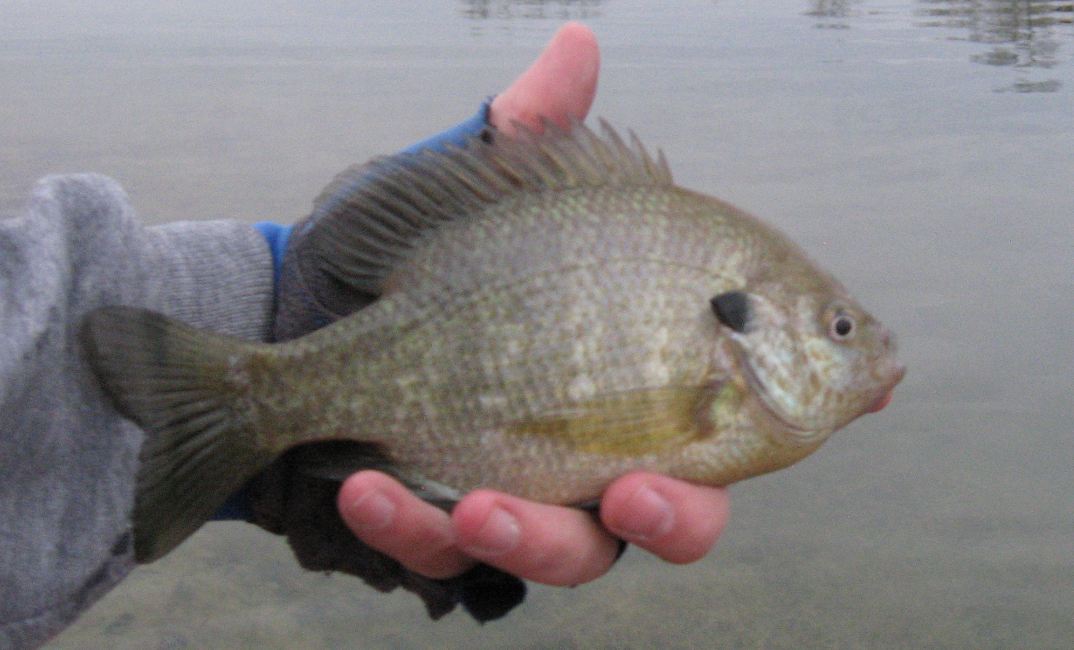
Few things break my bass fishing concentration like a school of bluegill, sunfish and even crappie. These fish species are referred to as “panfish” as the filets fit nicely in a skillet pan.  Colorado may not compare to southern states that these species originate from but they are still impressive enough to fixate my attention. I can’t help myself especially when late spring\early summer arrives. The water becomes dotted with schools of these little fin slappers just asking for trouble.   


Colors can vary greatly depending on the species. Hybridization is common between sunfish and bluegill as they spawn at the same time. Pumpkinseed sunfish have a speckled color pattern as where green sunfish have a more defined vertical striped body. Bluegills are typically darker and sport a smaller mouth than sunfish.  In a lot of Colorado ponds the panfish species become intermixed and each fish is very unique from the other. Exact identification becomes more complicated when these genetic lines are blurred. For more information on sunfish and other fish species identification please review the links at the bottom of the post. 


The best time to chase gills is in the summer when they are aggressive and very active. I prefer to time things early so they are in their prime prespawn condition and there isn’t a lot of smaller fry to weed through. This is usually the beginning of May but can vary greatly in Colorado’s crazy weather.

Panfish take a beating from the natural predators if they exist within the same habitat. This natural cycle actually helps both sides as it keeps numbers adjusted for the sunfish while providing food for the predator base. Large brooder sized sunfish are crucial to population and should be released as they provide the most opportunity to keep the scales balanced. Larger gills and sunnies also make my photo ops way more impressive. These sixes and sevens do not justify a lot of shameless bragging like the fish that get ten inches and over.


These “pans” are from a trip where I spent the first part of the day in the tooner and then banged from the shoreline after loading up the gear. The plan was to boat and fish the whole lake before the crazy holiday crowds set in. On the way out I see an entire section that had been missed and loaded with fish. Finished loading the tooner and went back for another round.

Knowing you have a problem is the first step to reaching a cure. The remedy that I have found thus far is to sit on a school of panfish and HAMMER ‘em until the twitch in my casting elbow goes away.

My name is Matt and I’m a fishaholic.


Sunday, June 2, 2013

First casualties of 2013 drought: Henry Lake's fish


In the latest sign of Colorado's drought, Colorado Parks and Wildlife on Wednesday authorized a public fish salvage for Henry Lake, located northeast of Ordway in Crowley County.

Kevin Lusk, a water resource engineer with Colorado Springs Utilities and president of the Lake Henry Reservoir Co., a group that provides storage and distributes irrigation water for shareholders, pointed to the drought conditions as well for Henry Lake's draining.

Lusk said that at the last meeting in the second week of May that Henry Lake shareholders agreed to drain the water down to Meredith Reservoir, directly south of Henry Lake, "rather than sit on it and watch it evaporate away."

"Lake Henry is really pretty shallow and flat," Lusk said. "When the lake level gets low, the water evaporates really fast."

The fish salvage begins June 1 and lasts until the lake, which has been partially drained, has completely dried or until conditions become unfit for public access.


Wednesday, May 29, 2013

Finally FISHmas


Spring can be a crucial time for fishing and the days just fly by. Most years I am lucky to get one day where I nail the timing just right. These are the days where the fish are fat, happy and ready to play. After battling bad weather, tough projects and a lot of dismal outings I hit it just right.


This time of year I like to rove the deep water for gestating females. They are larger, fatter and GORGEOUS with not so much as a scratch on them. If I can get just a few of these fish it might actually lift my fishing blog out of the crapper.


A lot of Colorado bassers go after the nesting males. A lot of people are unaware of the whole process and don’t realize the male bass is a bit of a homebody. The female is much larger and more difficult to catch. As the male makes and guards the nest from wandering threats the female is cruising nearby. The male becomes very aggressive as where the female feeds in varying intervals which is often debated on the water. Sometimes she hits a lure and sometimes she doesn’t. The male pretty much hits anything that comes by.


At some point the female comes in and lays her eggs with the male fertilizing the eggs in what looks like a slow dance as good as fish can dance I guess. After that the female moves off and the male bass remains to guard the nest.  In some cases the female is observed hanging around the nest and both fish will guard their brood.


If an angler times things perfectly there will be male bass beginning their nest mode with the females lurking nearby. I might lose my self-control and pick one or two males to educate them a little at the start of the season but it may cost me a larger fish down the road.


For me the real trick for me at this time of year is being able to sight-fish. Being able to see your lure in the vicinity of the fish allows me to really get inside of the fish’s head. Maybe she wants a flirty shake on the crankbait to send out a subtle rattle out instead of a constant retrieve saying “Hey baby, can I get your number?” Subtle rattle isn’t her thing? Maybe go into suspend mode with a quick twitch. Oh…there she goes falling for it.
 
 
This lake has a population of fish that can reach +18-inches and managed as catch and release. This is the primary reason that these fish are still here. If we don’t throw fish back there will only be fish stories left. The responsible angler follows the rules and only takes fish out in the common slot with healthy fish populations where taking fish is allowed. The result is better fishing for all today and tomorrow.

Spawning points are not always in shallow water. The largest fish tend to spawn early and will be set up in deeper water points. I tend to fish early in hopes that I get into these “mega-buckets”. Weather always throws me a curve ball. At the end of my FISHmas vacation I might have actually nailed it.
This fishing blog often sounds like an afterschool special and I hope people can stomach a little more of my bassin’ biology seminars , sermon and
My name is Matt and I’m a fishaholic.


Colorado Fishing Survey-Looks like everyone still wants trout management. Get your voice out there!


DENVER — Colorado’s human population is growing and becoming more diverse. Colorado Parks and Wildlife is making sure to keep pace. A 2012 Angler Survey report commissioned by the agency unveiled an informative collection of data that will allow the agency to serve the needs of a changing sport-fishing culture.

The survey respondents let Colorado Parks and Wildlife know that they preferred fishing for trout and that the overall satisfaction level of anglers was high. Results also revealed the potential impact of a changing sport-fishing demographic on the Colorado’s hatchery system.

“We’re trying measure how angler demand might change over the next 10-20 years,” said Stacy Lischka, a human dimensions specialist and compiler of the survey. “This is critical information that will help us provide the angling opportunities people would like to have in Colorado.”

The majority of both resident and non-resident anglers responded that they were either “very” or “somewhat” satisfied with their fishing experience in Colorado. Thirty-three percent of residents said they were “very” satisfied, along with 48 percent of non-residents, and 33 percent of resident anglers responded that they were “somewhat” satisfied with their experience, compared to 32 percent of non-residents.

The survey was sent to 3,000 randomly selected anglers — 1,500 residents and 1,500 non-residents — with 1,404 respondents.


Matt’s Rant: All Colorado anglers desperately need to send an e-mail to the Colorado Parks and Wildlife stating your own personal desires for fishing in Colorado. If you want better trout fishing there may be no better time than right now to get your own opinion in. Otherwise these random survey recipients may end up running the show in regards to changes in the future. A handy link to the “AskDOW” feature below. I will even post my submission as a very poor example.


The best way to reach these folks is with a sincere smile and a handshake. Tell them where you fish and what your thoughts are. Being courteous and sensible is better received than my endless ranting that is admittedly biased to large trophy fish that no one gets to eat. I might also be crazy enough to suggest trophy sport fishing in both cold and warm water species. The only way to make this happen in Colorado is by educating the public on what good fishing actually is. Stocked trout aint it.
Good luck and good fishing.

Tuesday, May 28, 2013

Wednesday’s wet and wild fish trip


As soon as the FISHmas vacation was penciled in everything started to fall apart. Projects at work exploded, new tasks were added to the pile and a few late snow storms pushed the fish back into a winter slumber. The problem with having to get requests in early is that it eliminates the flexibility to adjust as weather changes. To make the most out of everything it takes luck and good timing.
Load the tuner and face the grueling cartage in. This was the first time fishing this location for the year which led to a few surprises that I had to adjust to. Nothing worth going over except that another quarter mile was added to the journey in. Get on the water and I am doing “ok” for average bass. Size up, dig deeper and look for larger fish.
 

A ½ oz spinnerbait was tied on one setup and a 5” Pro Stick worm (junebug color) from Maniac Custom Lures on another rod. This is a no-scent\no salt worm that is a good option where additional regulations prohibit scented and salted lures. I bought a few packages of these and work then into the rotation.
(This particular product line is being discontinued so I went ahead and ordered a few more packages.)
Weather started out as slightly overcast with small patches of blue sky. The weather forecasts called for storms, some possibly severe later in the afternoon. My plans were to haul in a lot of gear early, fish for all I was worth in a short time and then get the heck out.  For some reason things didn’t go anything like that. It took me longer to do everything from rig a new bait to scout a patch of water. Before I knew it the schedule time slot was all but gone and I was dealing with rain.
“This isn’t too bad. Me and the tooner can stick it out”
Shortly after saying those words the sky opened up and all hell broke loose. Wind picked up from the steady 5-10mph to gusts of 40-50mph. Thunder shook the air around me. Lightning ripped over my head and it was everything I could do to scramble for a beachhead.
Scrambling for the metal cart on the far side of the pond I then loaded the metal framed tooner with aluminum oars. For several years I have carried a rain poncho but never had to actually deploy it. By 2Pm I couldn’t get the poncho out fast enough.
The drenched gear was hauled over the trail the long distance back to the parking lot. Rain seemed to fall less and less every five minutes or so. Reach the truck and hardly a drop is falling. Sometimes I think natures loves to taunt me and knows exactly when to mess with my fishing. At least this time I had some warning from the weather people what I was up against.
The crucial mistake I made was not noticing the shuttle wind shift. Clouds were moving north east in the morning but had started moving more to the south east later in the day. The big, dark storm clouds were supposed to go right by me leaving a small patch of blue sky right at the edge of the storm. Now it is clear that patch of blue sky was simply bait used to lure me into the storm’s trap. Well played storm cloud. Well played.
My name is Matt and I’m a fishaholic

Friday, May 17, 2013

Bait and switch…trade you trophy pike fishing for a handful of muskies


Matt’s Rant: Stocking tiger muskie is something that I applaud greatly for many reasons. However, there is little evidence to support the argument that tiger muskie help control certain fish populations while avoiding others. What this article clearly suggest in my opinion is the fact that Western Slope water managers continue their efforts to remove pike from the area altogether (along with a few other game species such as mackinaw\lake trout and smallmouth bass). When all is said and done these efforts will eliminate non-trout species on the Western Slope and when anyone complains they will respond with, “Well we put a couple of tiger muskie in there for ya all.”

In closing of this rant I want to reiterate that stocking tiger muskie is great for sport fishing. But I do not wish to trade a handful of tiger muskies in exchange for the end of trophy pike fishing in Colorado. Pitching this idea as native species management is greatly flawed. In my view this is nothing more than a bait and switch. As you read this, more waters are being targeted.

Below is the article from the Denver Post that started me on this rant.


State wildlife managers plan to save endangered fish along the Colorado River by importing a striped, saber-toothed predator, in hopes it will devour existing invaders that prey on vulnerable natives.

Colorado Parks and Wildlife managers are talking about transplanting tiger muskies, which they believe will aggressively hunt down northern pike. First, they must protect it from the growing practice of spearfishing, archery fishing and gigging — a pitchfork-like device.

Northern pike — imported in the 1940s for state-led stocking and later spread illegally — are prolific spawners and are proliferating around the river basin. Tiger muskies are crossbred from northern pike and muskellunge and are sterile.

The pike threaten recovery of four native species struggling to survive as flows of the Colorado River and its tributaries are disrupted by water diversions to cities. Those are the Colorado pikeminnows, razorback suckers, humpback chub and bonytail.

Link to full article below:

Sunday, May 12, 2013

Bass game delayed by Crappie


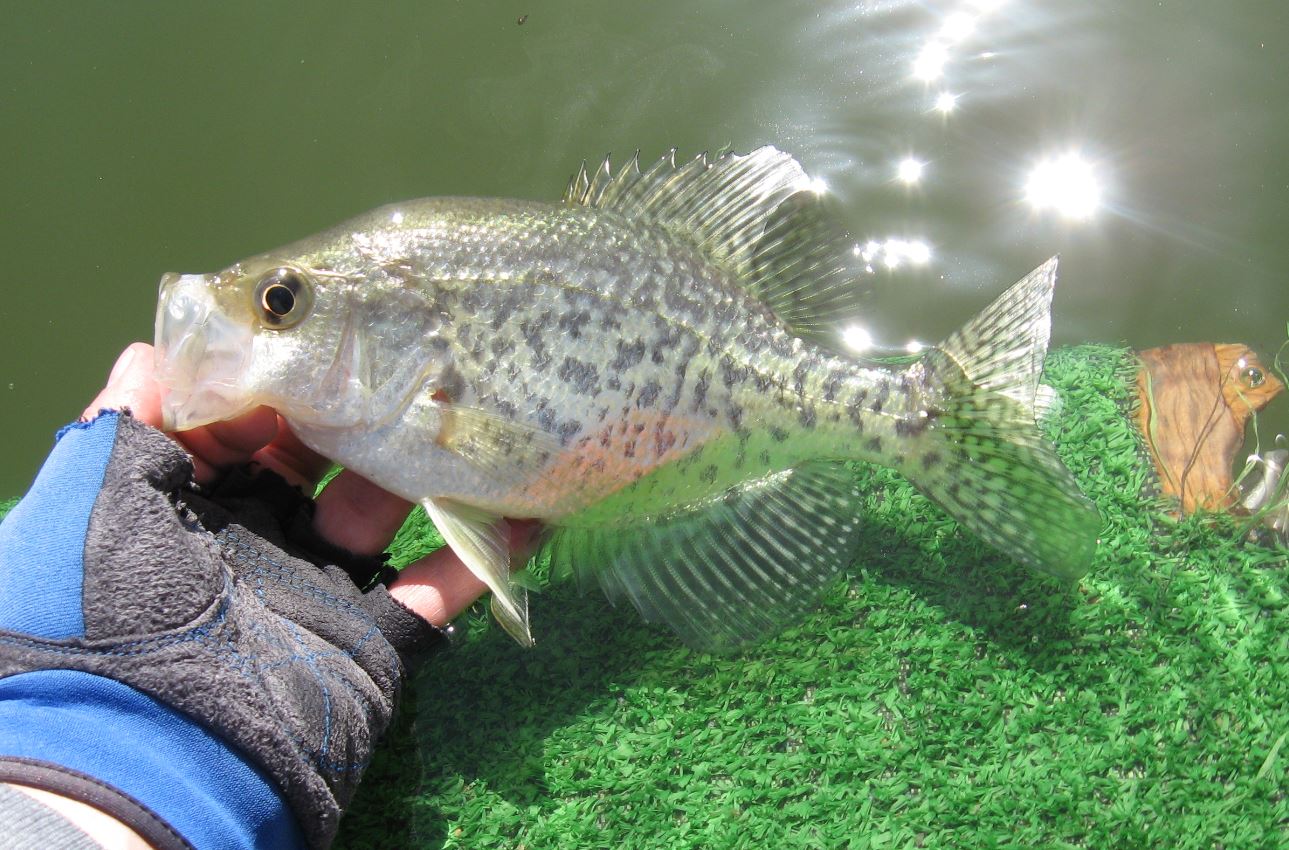
The black crappie is a species that tastes so good people may not stop and look at how spectacular it can be in regards to color as well as fin placement. In the panfish category for Colorado the crappie species is as close to tropical as a Mattabsasser gets in this mountain desert.


A few weeks ago I was bass fishing and rolled on top of a large section of trees that had been pushed into the water. This was done purposely to create a thick wood structure for baitfish and smaller organisms to seek shelter. A small tap on the bass rig and a flash of white below the water’s surface was a sure indication of crappie in the area. A quick downsize switch up and I was banging a few wannabe slabs.

My favorite rig for crappie is a mister twister 1/8oz jig. In heavy cover I may work a 1-2” grub weightless and hope the fish doesn’t hang me up in the junk on a deep hookset. White, black and chartreuse are three colors I try to keep on hand in one box with jig heads and grubs in various sizes.

Crappie can reproduce in great numbers with each female laying 5,000-15,000 eggs per spawn. Depending on temperatures and region the crappie can spawn several times a year. In Colorado most lakes receive at least one healthy spawn of crappie where populations are viable.

In lakes or ponds with a healthy crappie population throwing lures with a combination of white and black can bring out some of the healthier fish that binge feed on crappie from time to time. My best fishing days are often the ones where I can get into some big fish and feed my panfish addiction as well.

My name is Matt and I’m a fishaholic.

Tuesday, April 30, 2013

News you can use-Colorado Fishing Atlas


Few things make my fish bragging more tolerable than ‘news you can use’. One of the most asked questions in regards to fishing in Colorado are “where should I go?” Hopefully this post will cover both aspects by adding the Fishing Atlas link from Colorado Parks and Wildlife to my sidebar.
This web feature allows users to search through hundreds of fishing areas within Colorado. There are several toggle features that help narrow down elements that you want or do not want to see. A few minutes of playing around and I was fairly impressed with the amount of information this new web tool has.

Realize that some of this data is antiquated and situations can change overnight. Property boundaries may or may not be accurate so some locations may need more verification. All in all I think this is exactly what a lot of anglers have been asking for.
Go ahread and give this feature atour and let me know what you think. If you come across data glitches or errors, contact Colorado Parks and Wildlife via the e-mail exchange link below.
Good luck and darn good fishing.

Thursday, April 25, 2013

Cast to the warm

 
Early spring weather can vary greatly in Colorado. One day you have snow and then a warm spurt of 60-70 degrees could follow. These fluctuations in temperature create windows of opportunity for early season big fish catches. Not being able to control the day these warm spells hit I had to pull the trigger on one of my PTO days.
Launch the tooner and action is nil as the morning mist lazily rolls off the water. I start throwing a black buzzbait looking for that delicious topwater action. No bites come along so I start working through the gear options hoping to stumble across a hot pattern. Switch to the spinnerbait and after a few casts come up with a solid bite.  

The bite came practically off the bottom. This was a significant clue and a large piece of the puzzle. I started running gear as deep as possible with just enough speed to keep the lures out of trouble. The weed matte is recessed and still sporting its winter look. But even in recessed mode, algea and plant growth cover the lure if it drops down too low. A few more casts and I land the fish posted at the top.

The lure is a 3/8oz Booyah spinnerbait with chartruse\white and some black speckles. The rod is a 7-foot medium\fast action on 6lb Hi-seas mono. The reel is a Pfluegar President that I can’t say enough about.
 
Air temperature would vary by the minute and the fluctuations were extreme considering there was barely a breeze on the water. One minute you basking in 55-60 degrees in the morning and then a blast of cold air would surround you like death’s icey grip trying to slither up in attempt to steal your soul.
“Bluegill…” I mutter dropping the spinnerbait rod and grabbing the pole with a light jig.

My panfish addiction will often put my bass game on the backburner when I see a large school of gills, sunnies, crappie or even perch. I went so far as to see a psychotherapist about it. After a few fish stories the doc was gearing up and trying to work himself into next weekend’s fishing run.

 By noon the sun had melted away the cloud cover and haze. Air temps were flirting near 70-degrees and for some reason the spinnerbait action faded. I struggled for a while sorting through the pastics and a few search casts with the heavy spoons. Eventually I fell back on my jig combos and managed to land a sturdy bucketmouth to close out the day.


Post disclaimer: This trip and photos were taken at the beginning of April before the recent snows. Then the warm spurt hit and it fit the delayed material close enough for to me milk on the blogilicious. 29 degrees one day and 70 degrees the next. Maybe next week I will do a expose on how to cast heavy gear and haul it on a dog sled.
My name is Matt and I’m a fishaholic. 

South Platte snowpack reaches 95 percent of normal

"It was huge. We finally got some late-season snow, or we would be well into the snowmelt season right now."

The snowpack in the South Platte River basin -- a major water supplier for the Front Range -- is 95 percent of normal for this time of year, according to the Natural Resources Conservation Service website. As recently as April 7, it was 70 percent. The basin's peak snowpack was 90 percent of the typical peak.

To read the full article from the Boulder Daily Camera By Mitchell Byars Camera Staff Writer, please click the link below.
Matt’s Rant: April typically is the snowiest month in Colorado and this sets the tone for conditions for the rest of the year. The big wet flakes didn’t really set in heavy amounts until the very end of the month. Truly I was in a panic and view the water situation to be beyond desperate. Colorado is not out of the woods yet but at least some areas are not in a disaster scenario that would have resulted from receiving little moisture from these recent storms.
South Platte drainages and others might even experience somewhat normal runoff this year.  I agree completely with Mage Hultstrand, assistant snow survey supervisor for the Natural Resources Conservation Service…this is huge right now.

Saturday, April 13, 2013

Photos from the field


Through my adventures photos are taken that never seem to make it into specific fish posts. So much of my fishing goes unseen or heard. Even though these pictures may not be ready for prime time fishing posts, I have found a way to fit them in an excerpt called “Photos from the field.”
 

Viewers may have noticed a drop off in my blogging activity which is due to several factors. Professionally I am making huge strides at work and doing my best to keep up with the ever increasing demands. The pressure is keeping me from fishing and this wears on my sanity at times. My blog is also suffering from a Win 7 upgrade that has set me back in regards to software and settings. It never fails. By the time I start figuring certain aspects of technology the format changes and I have to start all over.  

Crosswalk Elk


(Above: One morning while taking the kiddo to school I pass a herd of elk gathering at a school crossing sign. On my way back to the main road I see the entire group cross the road in mass using the crosswalk. Humans waited patiently and not a single horn was blown as the elk had the proper right of way.) 

Snow Dino

 
(Above: One weekend I was very fortunate and the landscape received a large amount of wet snow perfect for sculpturing. Armed with only a snow shovel and determination I spent 3-4 hours building this snow dino. The head and spikes were done last and stairs were built into the back to help make the finishing touches.) 
Snow Tinting
(Above: A seasonal fad for automobiles in Colorado is “snow tinting”. It helps block bright sunlight while driving and also hides that annoying person practically riding on top of your back bumper. Probably not the safest form of window accessory but less expensive than professional tinting.)
Eventually I will get my Win 7 and internet tweaks worked out along with making more time to fish. Thank you so much for your views, comments and rates. This blog is fueled by your support. 
.

Thursday, April 11, 2013

Forest Service cuts impact summer work force-more cuts to follow


GLENWOOD SPRINGS, Colorado — An 18 percent budget cut for the White River National Forest this year will impact the seasonal work force at area campgrounds and along trails this summer, including the popular Hanging Lake area in Glenwood Canyon, Forest Service spokesman Bill Kight said Wednesday.


“We are looking at 18 positions that we had last year that we can't fill this year,” Kight said, confirming that the local forest has had to cut about $3 million from its $16 million annual budget.

The cuts are separate from the anticipated across-the-board budget cuts due to the federal sequestration that went into effect last month, he said.

Those cuts will also impact the U.S. Forest Service as a whole, including local forest offices. However, the exact impact of the sequester cuts on local forest operations are not yet known.

Meanwhile, the WRNF is working on ways to make people aware of the seasonal cuts that are known, Kight said of the non-sequester reductions.

“We will have to let people know that some of what they're used to seeing will not be up and running.”

One result is that there will not be forest rangers regularly patrolling the Hanging Lake area, he said.

That will present some difficulties in terms of enforcing the numerous restrictions for the area, which draws upwards of 80,000 visitors per year.


Link to full article from the Post Independent:


http://www.postindependent.com/article/20130411/VALLEYNEWS/130419997/1083&ParentProfile=1074


Matt's Rant: Expect some impact from budget cuts across the board this year in regards to outdoor areas in Colorado. Some management agencies will cut staff, services and even close recreational areas this year. It may be prudent to do a little research and\or call before making summer plans. Forest Service, CDOW-State Parks and even local agencies are scrambling to make budget-ends meet.

The Max Factor


Prolog: At work I am known more or less as a fishing nut. One day Max stopped over at my office and wanted a few for a family outing at Lake McConaughy-NE. After a few scribbles on the whiteboard and some basics he headed off for vacation. On his return he exclaimed that he had little time to fish but when he did get the chance it was met with success. My tips panned out for him and I couldn’t have been more pleased.

A few months later he stops by and tells me that his family is house sitting for a guy that owns a sizeable spread of land that just so happens to have a 10-15 surface acre pond.  Moments later we penciled in a scout trip and hopefully could show Max a little bit more about the Mattsabasser fishing that I am always babbling about. March is a little early for bass fishing but the conditions were good. Then it snowed. We waited a few days for the lake to soak up the following warm trend and then reset the meet.

The Trip

I showed up on a Thursday afternoon about 5 PM. Air temp was about 55 degrees with 5-15mph winds. I had prepped three rods, medium action-seven foot length. My plan was to work a few basic patterns with Max and I having one rod with one as a backup to transition other baits. Hopefully I wouldn’t regret not bring a fourth rod.

Max walks out the front door to greet me with his daughter leading the way. She is about 7 and I immediately saw the life jacket and intent look in her eyes. This girl wanted to do more than simply cheer on the sidelines. No sir. This girl wanted to fish.  There goes the extra rod.
Reaching the edge of the pond I hand Max the rod with the jig combo. We walk out on the small dock and on the first cast he caught a fish. It was a 14-inch largemouth bass and put up a scrappy fight. Seeing he was well on his way my focus shifted to the bluegill hovering around the shoreline. At first I tried the jig and then went to my panfish setup. After a few tries I hooked up with one and then handed the rod to the fisher gal. On the second try she landed a bluegill.


From there she was catching one about every few minutes or so. These fish were suspending near the dock and the school was large enough to keep her busy for a few hours. One or two of them actually came back twice. The fish were not mobbing the bat like they do in summer. It took a bit of finesse and I was quite impressed.

Over the next few hours Max and I worked the pond and caught plenty of fish in the 14-inch range. You could cast to any fishy looking spot and get a bite. However, each fish would look almost identical to the last one caught. I explained that fish can overpopulate quite easy in private water. The overpopulation can cause various problems one of which is stunting and nearly all the fish will appear to be the same size. It may take years for the lake to recover naturally and will require some sort of natural die off. I offered some tips to improve things such as removing a substantial number of fish annually (if overpopulation was indeed the case). Max will have to take a few more trips during the year to gain more information. Of course I offered to join him whenever he wanted.

In conclusion: Huge thanks to Max and company for letting me get a taste of a pond that I have been curious about for some time. Not all private water is a glorious big fish fest. With a little effort, this body of water could jump into more of a trophy fish situation.

My name is Matt and I’m a fishaholic.

Monday, April 1, 2013

Stage 2 Water Ban-In Effect…yes, already.


As much as I wish that this ban was going into effect to improve fishing conditions, it is being done to ration a dangerously low water supply. Colorado water conditions have become dire and Stage 2 Water Restrictions are in place even earlier than anticipated. This means that homeowners (excluding private wells) can only water their lawns two days a week per the schedule. There are a few exceptions such as new trees and freshly laid sod. For the exact restrictions and more information please review the link below.
As we roll into the hot summer months conditions may actually escalate into a Stage 3 Water Ban. Stage 3 will ban any outdoor watering altogether. At some point Denver Water may actually dust of my submitted recommendations  for Stage 4 water ban where households will be allowed to flush one toilet twice a day or two toilets once a day. Coffee and drinking water will be relegated to the bottle water purchased at your local grocer.
I know that my blog often sounds like some after school special about water conservation but please understand that the battle for water in Colorado becomes more serious every year. Population increases mixed with less precipitation move the discussion well outside global warming arguments and green house gas debates. The fact is Denver and other growing communities are using more water and Colorado is receiving less precipitation year after year. Colorado residents may not fully grasp how bad the situation is right now. It may take a few bad instances to illustrate the reality.
Below is a link to another article from the Coloradoan that highlights how an entire region could lose their water supply in lieu of pending fire conditions.
My name is Matt and I’m a fishaholic.

Friday, March 29, 2013

New Zealand brown trout is possibly a world record

Otwin Kandolf said the brown trout he caught recently in New Zealand looked like a submarine because it was so long and abnormally fat. The behemoth, caught in a canal near a salmon farm, weighed 42 pounds, 1 ounce. It’s the heaviest brown trout ever caught in New Zealand and could land Kandolf in the book of world records.

“I just couldn’t believe it. It looked to me like a submarine,” Kandolf told the news station. “Very ugly, small head, big belly … Just amazing.”

If Kandolf submits his catch to the IGFA, and it’s approved, Kandolf will be recognized as the world-record holder.

The trout measured 36.6 inches long and 10.6 inches wide. Apparently it got so plump, and heavy, by feeding on pellets that drifted downstream from the salmon farm.

Kandolf plans to have the catch mounted to hang on his wall.

Check out the full artical at Grind TV.com using the link below. There are even a few screen captures of the fish taken from the local news channel.

http://www.grindtv.com/outdoor/excursions/post/enormous-new-zealand-brown-trout-possibly-a-world-record/

There may be a lot of people that don't know New Zealand has some very impressive trout fishing. NZ Brown Trout are some of the largest you can find today. Last year there was a similar possible world record catch from New Zealand and that link is posted below.

http://www.outdoorlife.com/blogs/newshound/2012/10/new-zealand-angler-lands-possible-world-record-brown-trout

Friday, March 22, 2013

Back in the Game


So this is the first “real” trip out on the water in a while. The winter fishing scene was pitiful due to water levels on most of the areas that I fish during the cold three. Driving by water on my way to work usually makes my casting elbow twitch. This year seeing water levels down so much brought concern and even sadness. I’m used to droughts in Colorado but it is looking more and more obvious that low water is becoming the norm. It wasn’t until the ice started rolling off that I could get excited about casting again.

Conditions for the day would start off cold compared to the spat of near 70-degree weather we received just a day or two before. The air temperature would reach a high of 60-degrees with 40% chance of rain and possibly snow depending on the altitude. Wind was mild at 5mph with occasional gust of 15mph that push my toner around pretty good if it wasn’t anchored. Drop down the fish finder unit to get the temp…”51 degrees? I didn’t expect that. Two or three casts in and the strikes hit the end of the line.

At this point I am throwing fantastic plastics and doing well with the 6” senko in dark colors. Cast out, let it sink and wait for something to pick it off the bottom. If nothing hits, lift the bait off the bottom with a raise of the rod tip. The fish would usually hit on the first or second lift as opposed to the first drop. Bump, bump…set the hook.

Move out of the first cove and start working a long incline section. The plastics did nothing. Don gets a hit on a jog and I make the switch. I pulled out one or two 14’ers and could feel myself getting back into the groove. Move off the incline and into the northeastern cove. Things just started to light up after that. Bigger fish started to attack the bait and action was about every other cast.

Coves were the most productive and on this lake there were three coves that sheltered the lake from the blasting winds with sandy banks that collected warmth. In areas where the water was one degree higher really made a difference. In the most sheltered cove I seem to get small, sporadic bites on the bait. We are talking hit and quit strikes where you feel only the bump and nothing but air when you set the hook. Most of the time in Colorado lakes\ponds small bites mean small bass, perch or something similar. Drop down to smaller bait size and see what happens. In this case I pulled up a crappie.

Smaller bass could be caught near the shallow structure but most of the quality fish were holding in deep water at the base of the incline. The best action came from fishing the bait as slow as possible just above the bottom of the lake. I could have experimented with more colors and presentations but dark color patterns seemed to do the trick.

My name is Matt and I’m a fishaholic.